Landscape 101
Last updated December 4, 2025
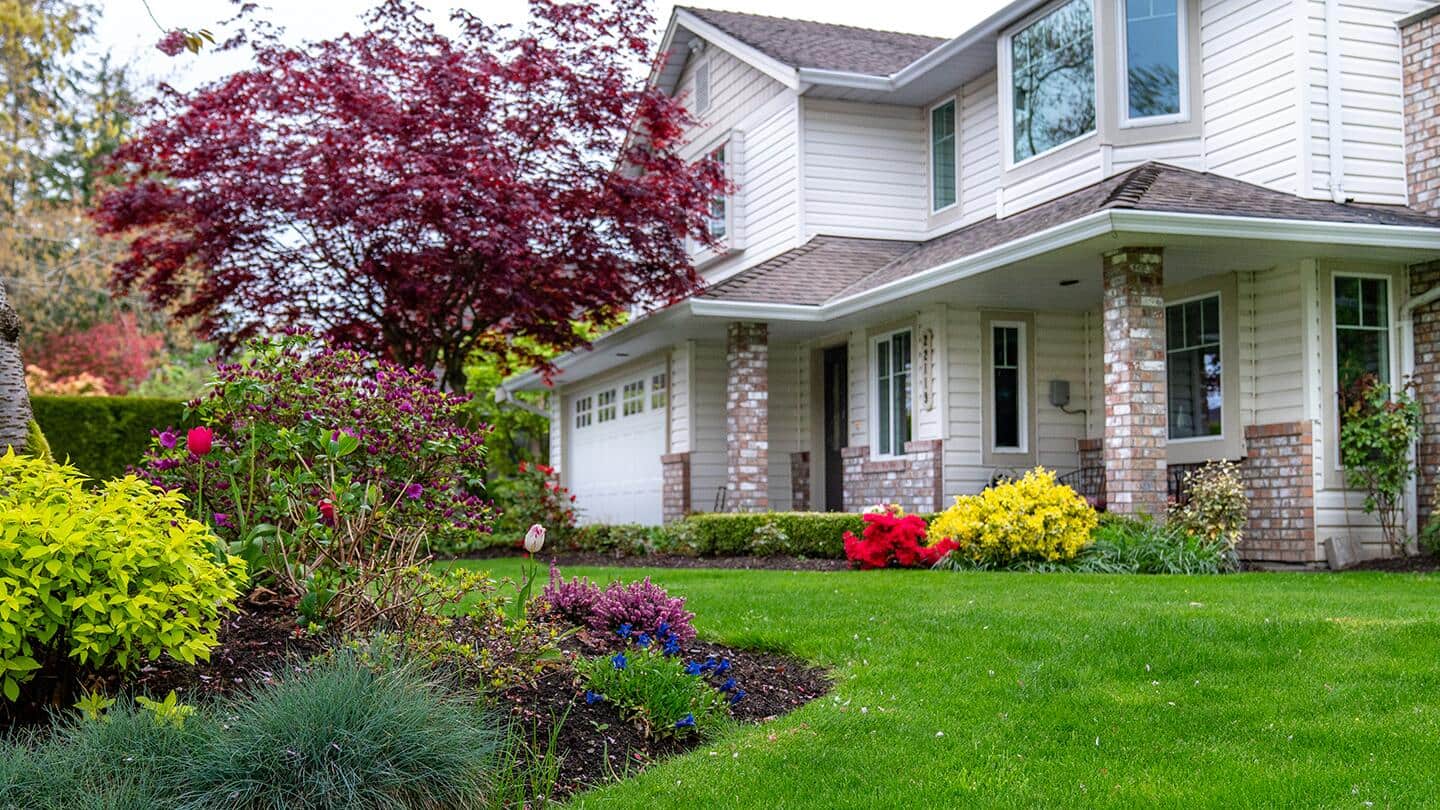
A well-landscaped yard increases your home’s looks and function. The right plants, decor and hardscape elements make any size house feel more spacious and organized.
Understanding the basics of landscaping your property will help you get great results, whether you do it yourself or hire a professional. Read on to learn more about making a plan, choosing plants, selecting outdoor lighting and more.
Table of Contents
Make a Plan
Landscaping Essentials
Think About Color
Use Hardscapes
Irrigation Tips
Landscape Lighting
Make a Plan
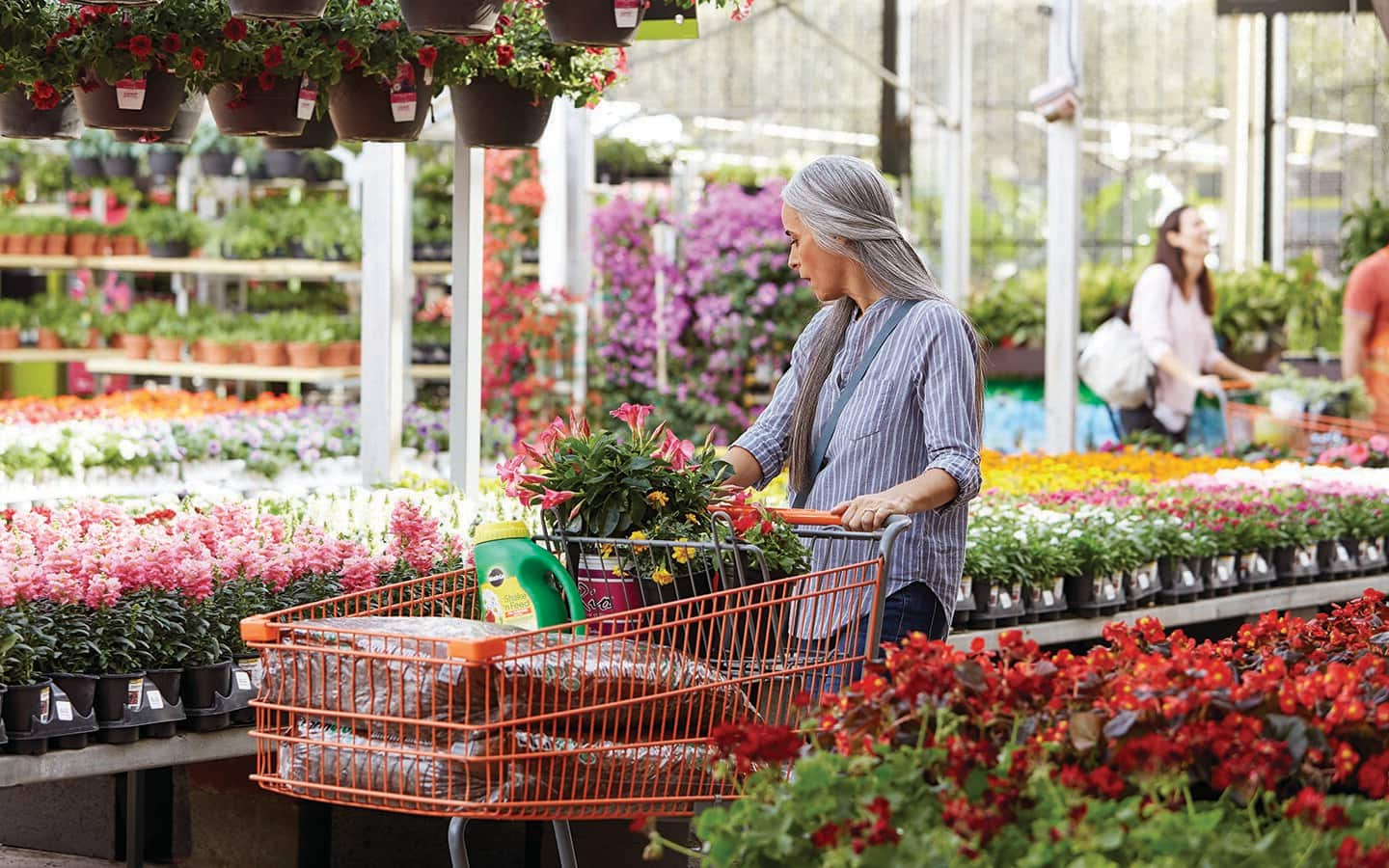
Great landscaping is all about planning and choosing the right elements for your style of home and yard size. Look around your yard. Evaluate the areas that could look better, the ones that are flourishing and the spaces that aren’t being effectively used. Once you have a good idea about what your yard needs, follow these tips to achieve your dream landscape.
- Think about your yard from top to bottom. Consider whether you need more trees. Perhaps some groundcover would even out some areas.
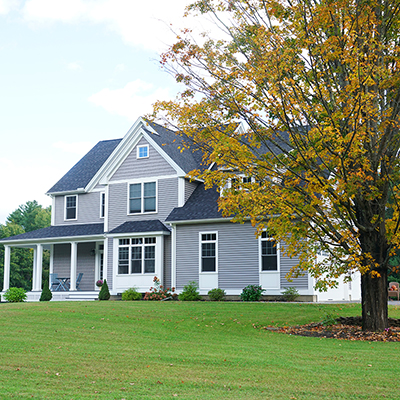
- Keep your plants and other lawn elements in line with the style of your home. For example, modern homes look best with minimal plants and color. More traditional homes thrive on lots of flowers and shrubs.
- Plant a variety. Mix things up so your yard isn’t just one type of shrub or flowering plant. Layer in plants of different heights and textures.
- Design landscaping for your home that has curb appeal every season. For example, add color in winter months with different shades of mulch or stones. Or add evergreen plants that look good no matter the season.
- Don’t forget to include the decor of a well-landscaped lawn such as lighting, planters and outdoor furniture.
Landscaping Essentials
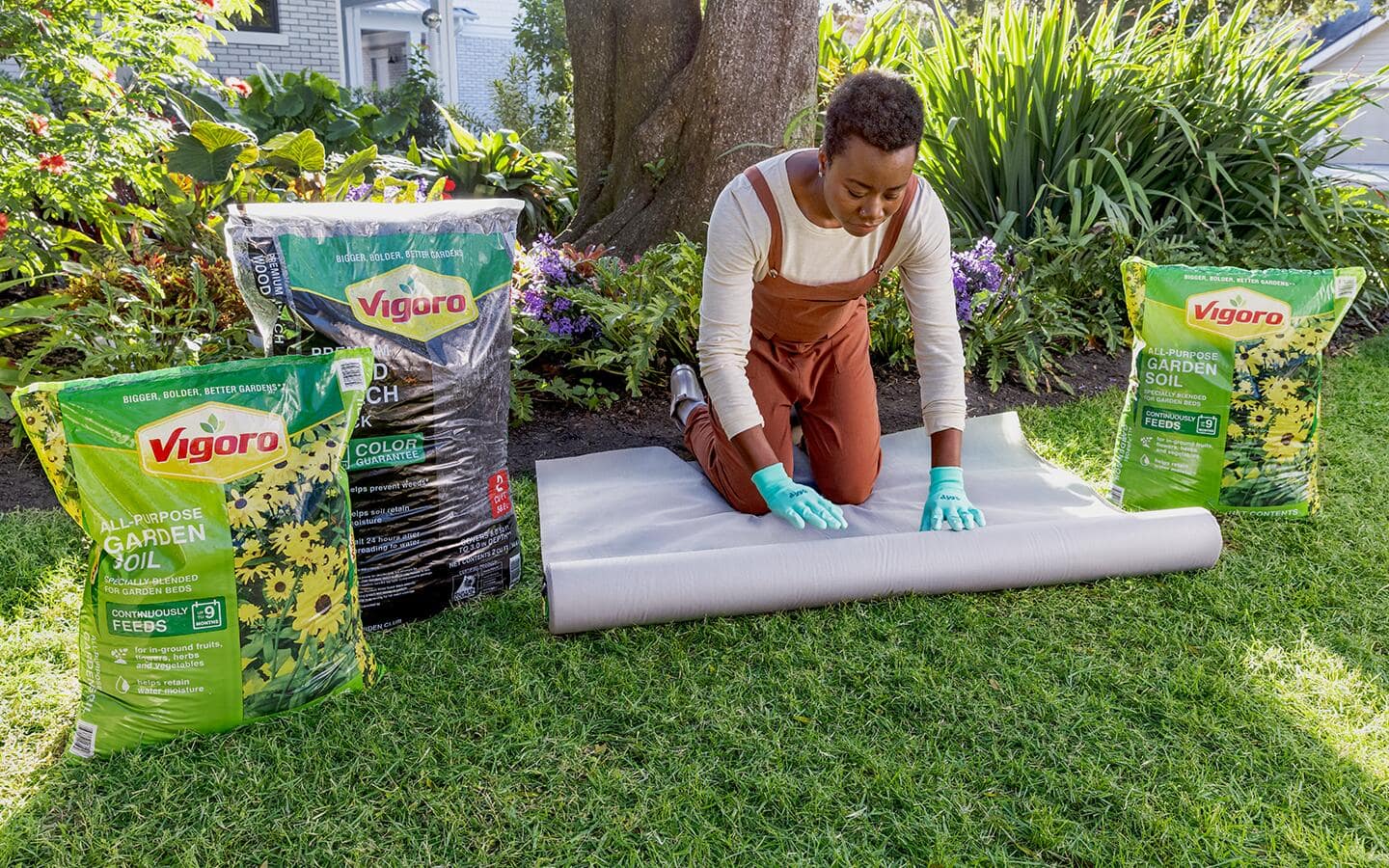
The foundation of a great landscape includes elements like mulch, landscaping edging and grass seed or sod. Here’s a few tips on using these to their full advantage:
- Mulch controls weeds, retains moisture and makes plant beds look more appealing. The best times to mulch are in the spring and the fall.
- A lush, well-maintained lawn depends on fertilizer, water and the right grass seed or sod. Choose whether your climate is best for warm-season grass or cool-season grass. Sod is very sun-sensitive, so match the type you get with the amount of sun your yard gets.
- Landscape fabric is an efficent base layer for pathways. While it can prevent weeds from surfacing, keep in mind that weed seeds can sprout from the surface.
Think About Color
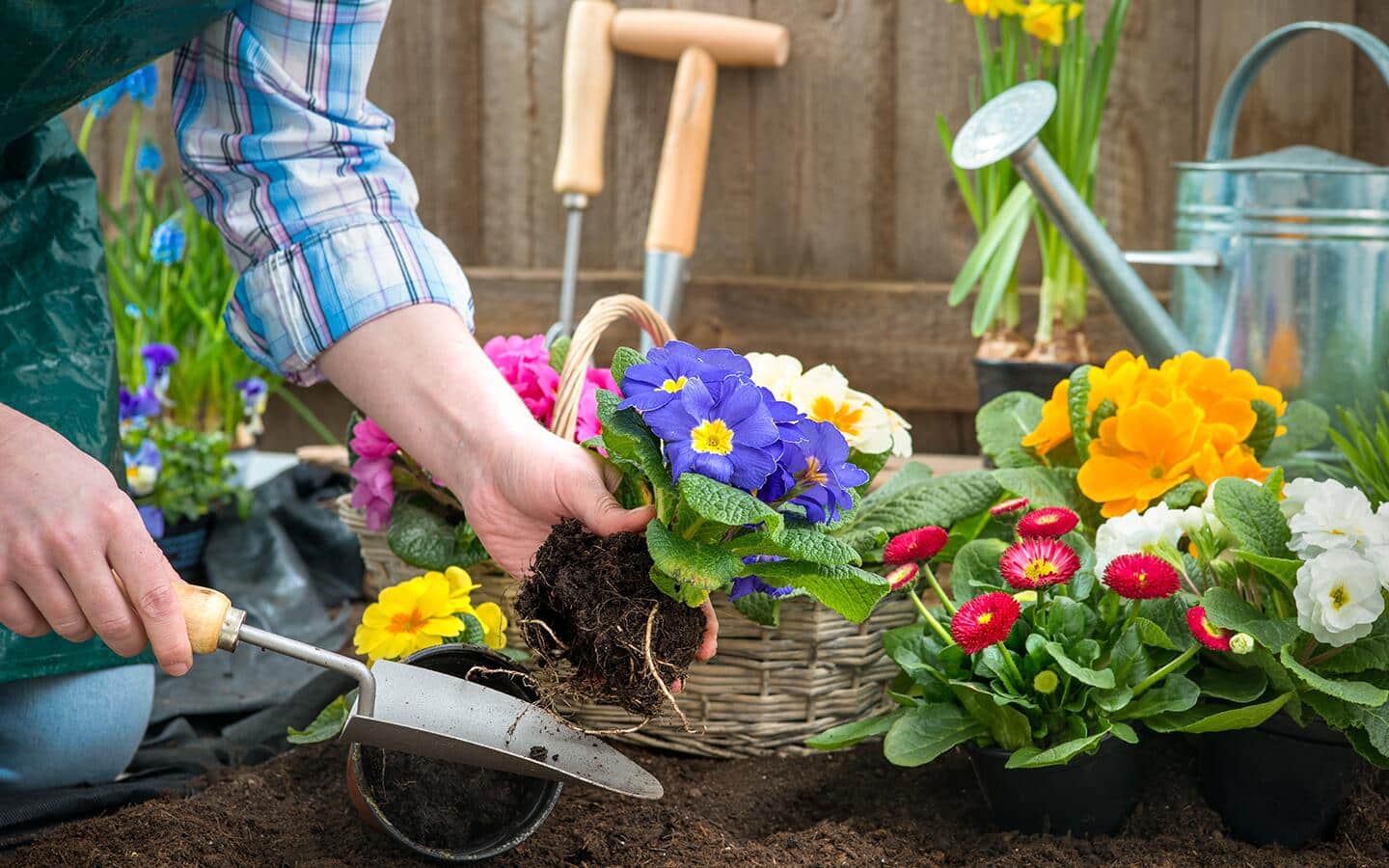
Few things improve curb appeal like color. From flowers to foliage, here’s a few ways to work this must-have into your landscape:
- Plant an artful array of blooming plants in two or three colors. Choose different textures and heights to add interest.
- Line your walkway with pots of colorful annuals. Change them out in the spring and summer.
- Surround a mailbox with decorative rocks and native blooming plants.
- Mix color-changing shrubs in with evergreen ones for a dramatic fall display.
Use Hardscapes
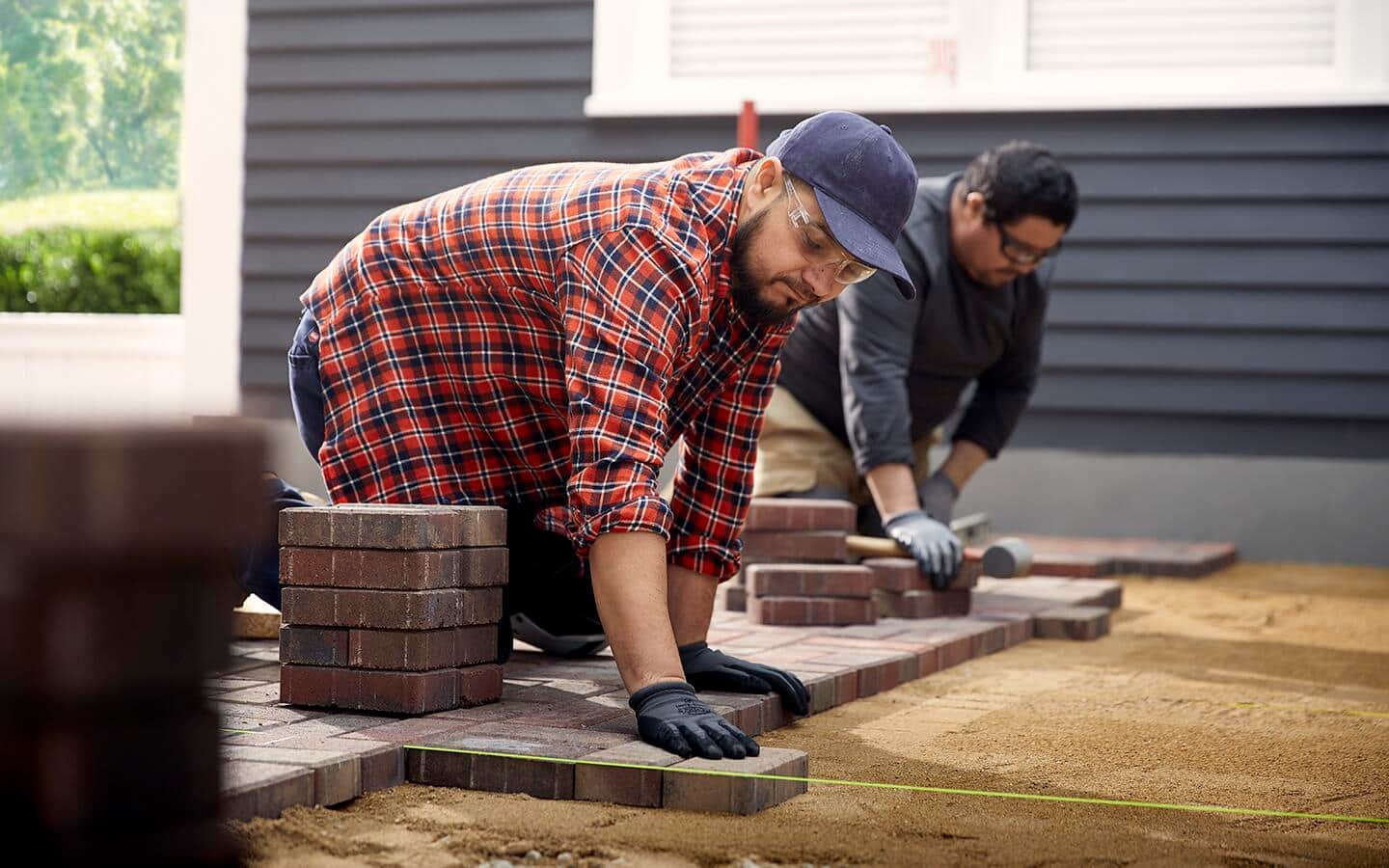
Creating a yard that’s the talk of the neighborhood doesn’t have to require hours of upkeep. Incorporating hardscapes can be a beautiful, low maintenance and water-saving option to a yard bursting with plant beds and grass.
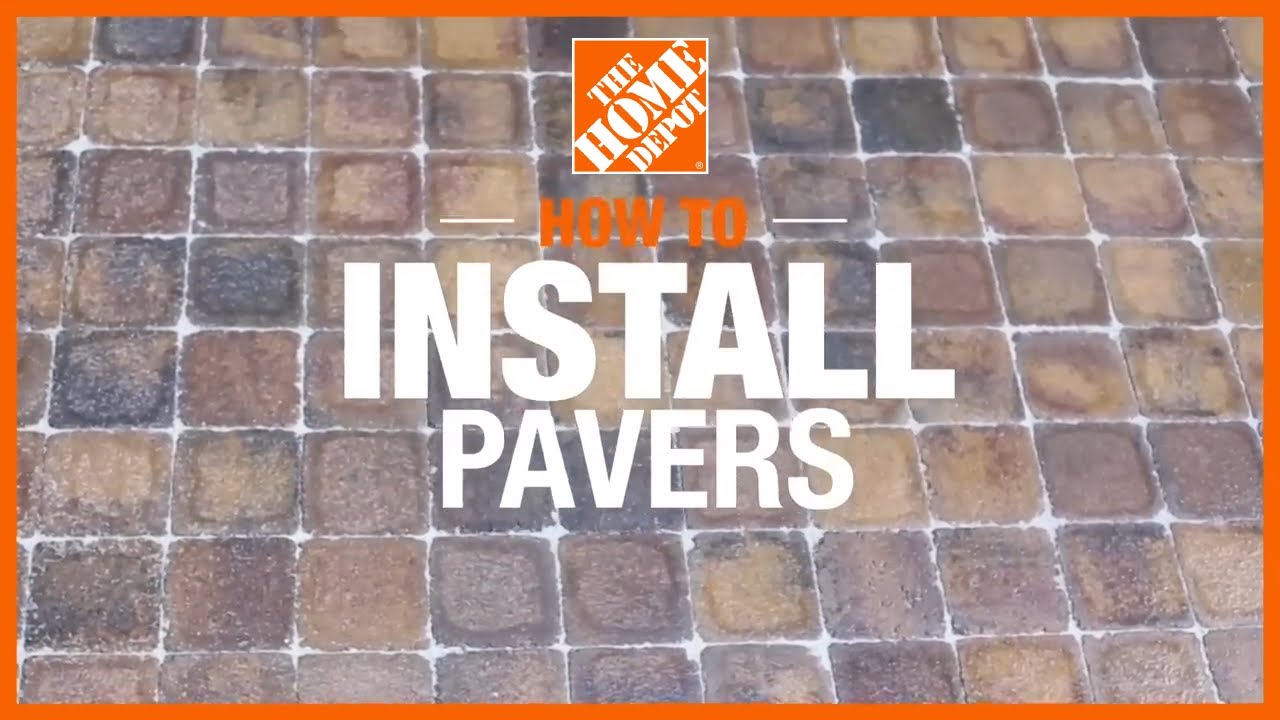
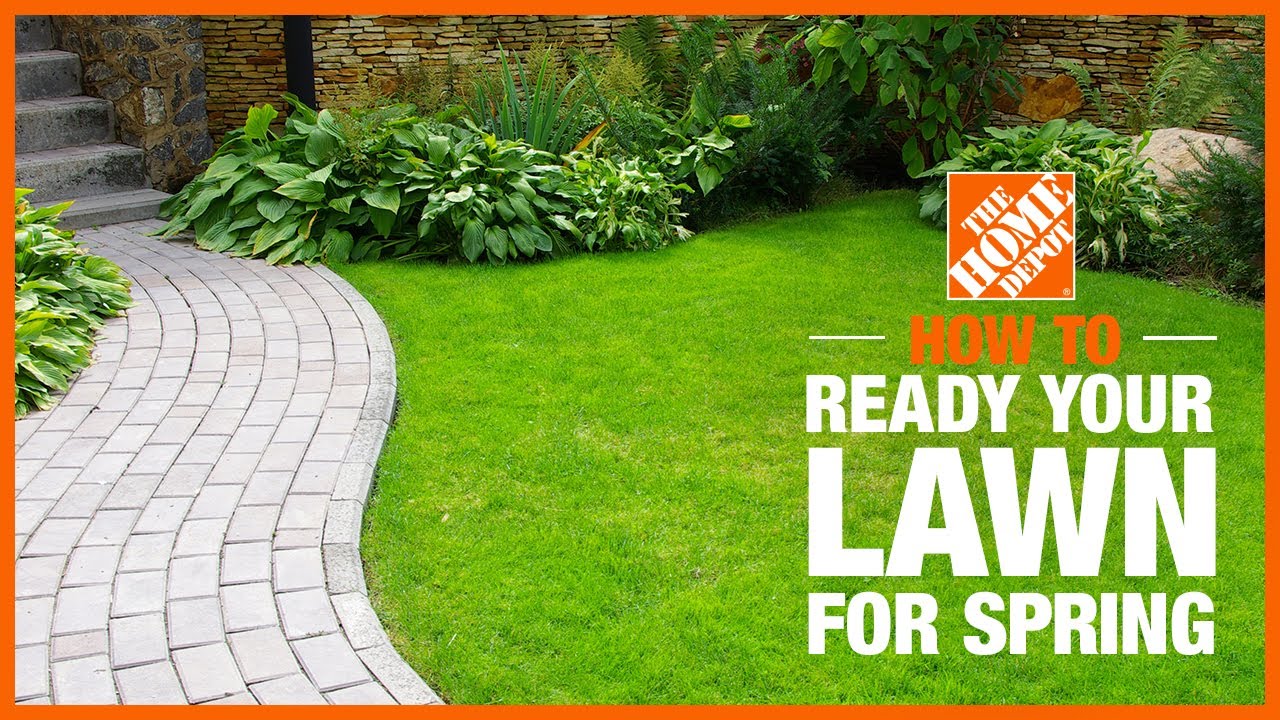
Hardscapes include patios, pathways, sidewalks and fire pits. You can create hardscapes from stone, brick or concrete pavers. Pebbles, river stones and lava rocks are also an easy way to add texture around plant beds and trees. Consider adding a water feature such as a fountain to your yard to bring the sound and sight of nature.
Irrigation Tips
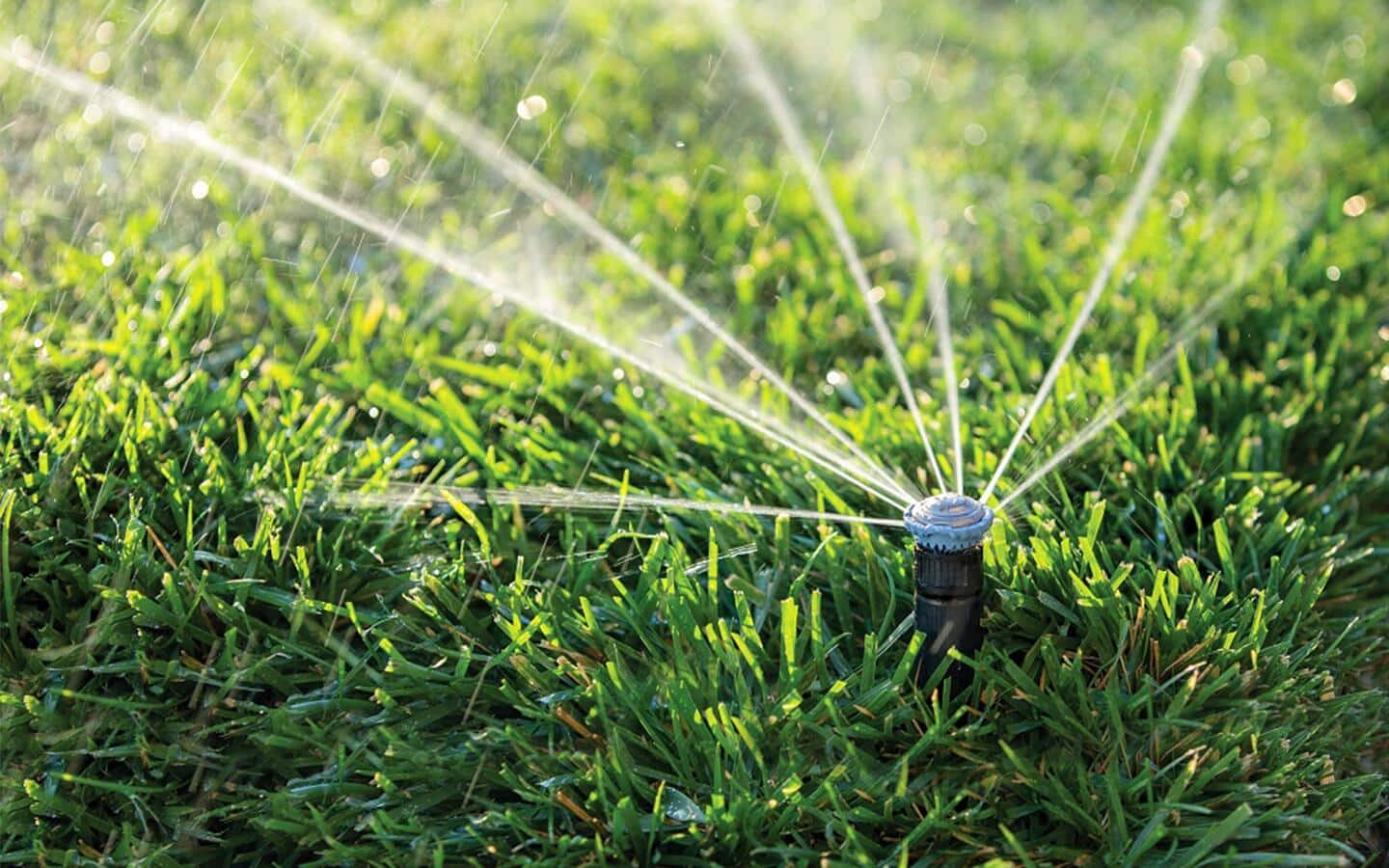
The secret to a lush, growing lawn and thriving plants is water. Providing enough water when and where your yard needs it is a necessity. A well-planned, overhead sprinkler system is ideal for lawns and other low-to-the-ground plantings. For large areas, opt for an oscillating style sprinkler.
Drip irrigation is an efficient choice for planting beds and shrubs. With a drip system, water isn’t wasted on leaves and hardscapes. Rather, it reaches to the roots where it’s needed.
Landscape Lighting
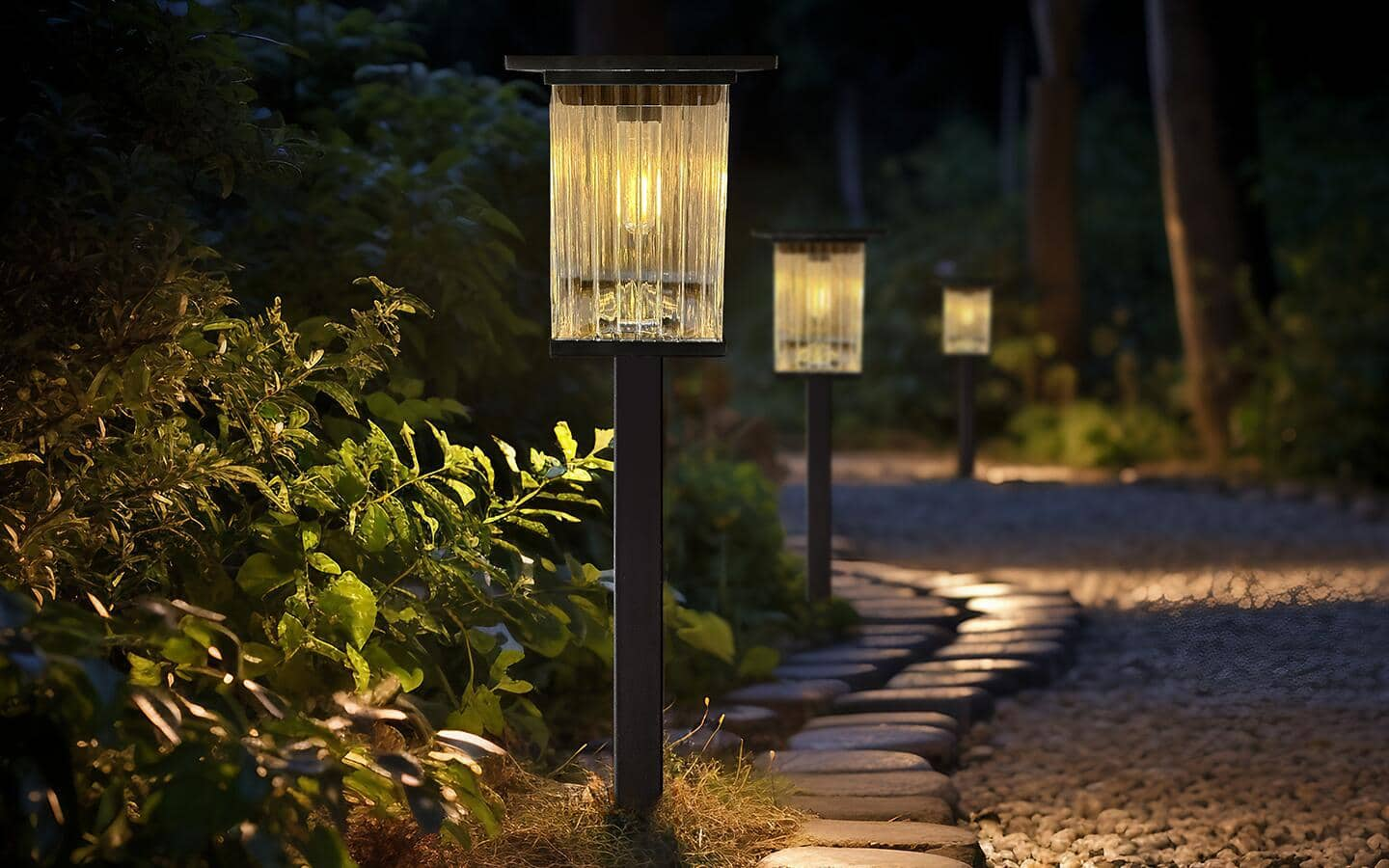
Landscape lighting is both practical and beautiful. It provides security and safety. Plus, just like the lighting in your home, it can be warm and inviting. For the best effect, layer in different types of landscape lighting. Here’s some popular options:
- Flood lights cast a wide net of lighting and are great for large spaces.
- Spotlights are great for highlighting architectural accents like a roof line.
- Path and garden lights shine downward to make walking easier. Consider using energy-saving solar options.
- Flush lights sit flat on the ground and can be a beautiful accent.
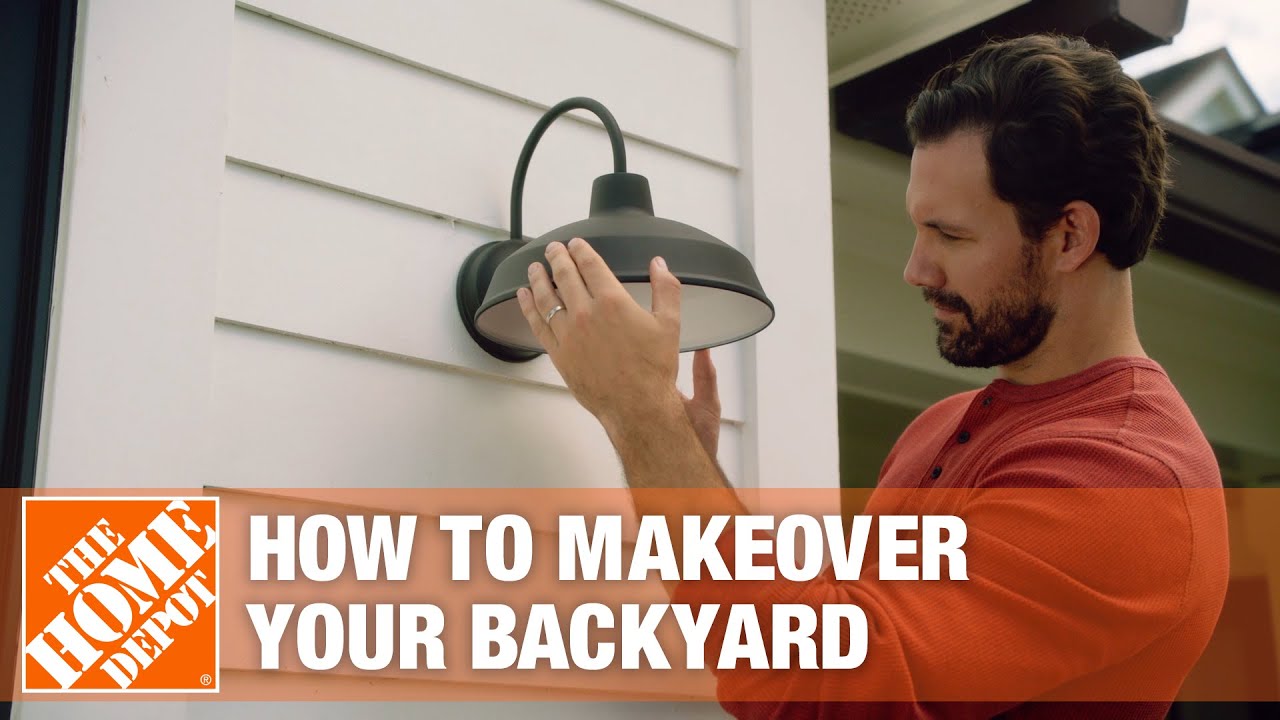
- Wall lights and sconces bring indoor style to your deck or patio.
Tip: Add motion sensors to your outdoor lighting to control when they come on and off.
Create Shade in Your Outdoor Space
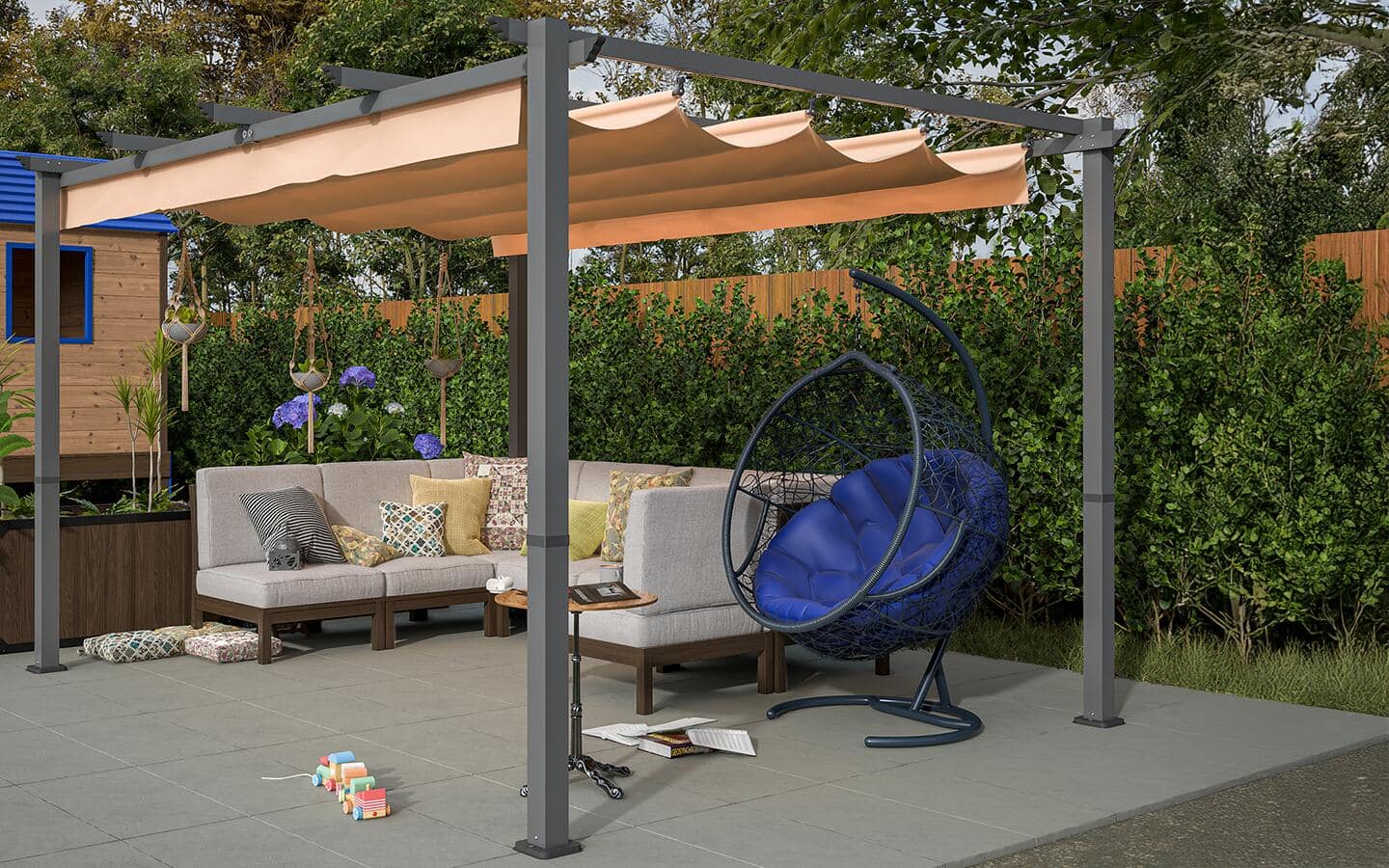
When summer temperatures climb, a shady spot in your yard becomes a welcome retreat. With a few smart additions, you can create a cool haven that not only offers relief from the sun but also adds style to your outdoor space. Structures like pergolas and umbrellas are easy solutions that, when combined with the right plants, help transform your yard into a refreshing escape on the hottest days.
Pergolas are ideal for bringing architectural style and shade to patios and decks. Their open-beam design supports climbing vines like bougainvillea or clematis, which grow quickly to provide a natural, leafy canopy. Whether you opt for a ready-made kit or build your own, pergolas help define outdoor living and entertaining areas.
For more flexible options, consider patio umbrellas. Cantilever umbrellas shade lounge areas without a central pole, and market umbrellas easily fit through outdoor tables. Look for features like wind vents or solar-powered LED lights for added function, and hang UV-blocking curtains to cover sunny spaces as needed.
For natural, long-lasting cooling, plant trees that thrive in your region. Mature trees reduce air temperatures through transpiration, acting as natural air conditioners. Select medium- to slow-growing varieties for better longevity and strength, and always allow enough space for roots and the mature canopy to grow away from your home and utility lines.
Lawn & Garden Tool Checklist
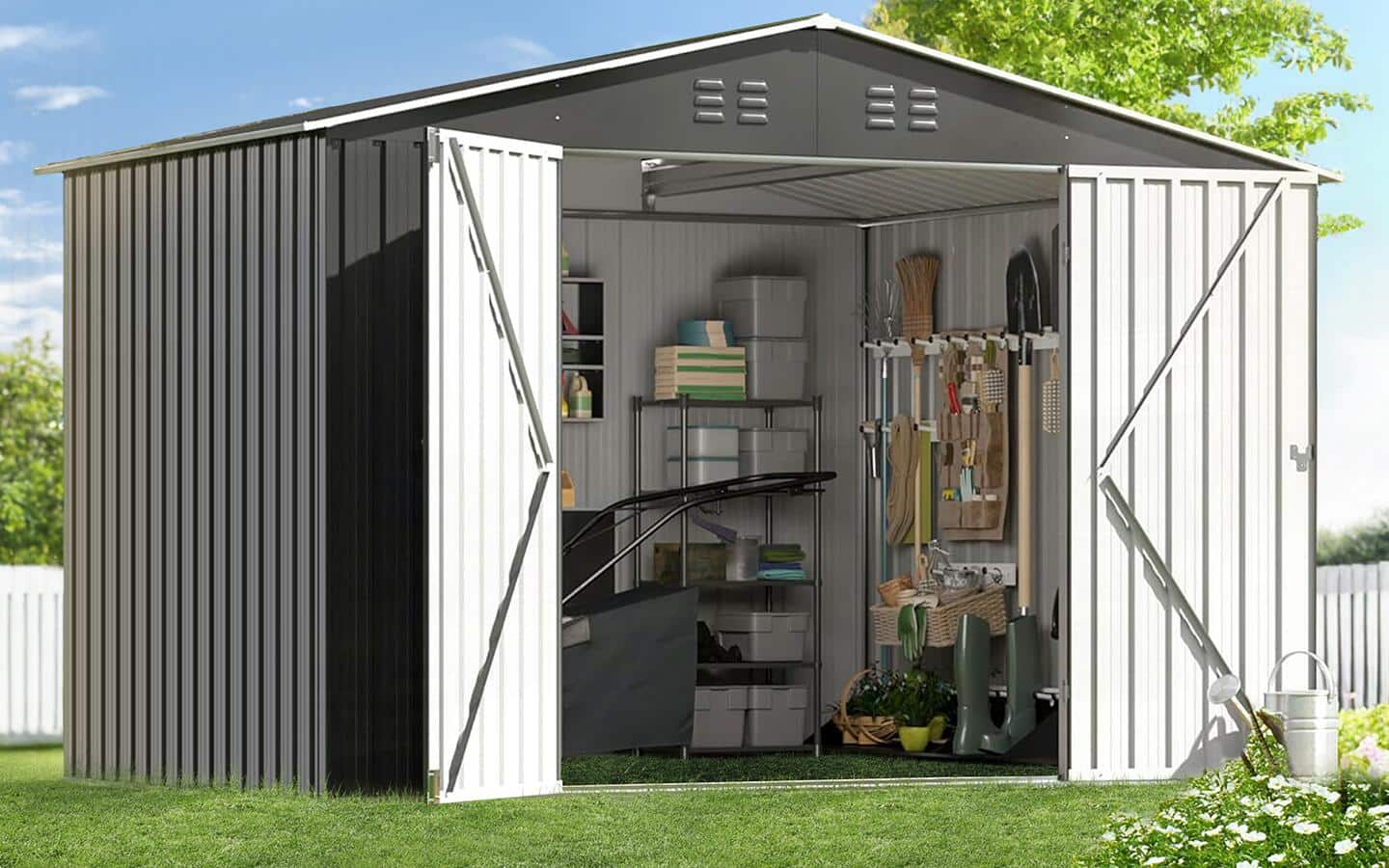
The right lawn and gardening tools will help you create and maintain your yard. With proper maintenance and care, good tools will last season after season.
To keep your lawn maintained, make sure to have outdoor power basics such as a lawnmower, string trimmer, edger, leaf blower and chainsaw. If you live in an area that has heavy winters, consider getting a snow blower as well.
Shrub, tree and garden maintenance require tools such as a shovel, hoe, hedge trimmer, pruning fork or shears, rake, trowel, cultivator, gloves, hose and an axe.
Safety Tip: Remember to use ear and eye protection when working with power tools to prevent possible injury.
Now that you know the basics, creating a landscaped yard with curb appeal (and neighbor admiration) is within your reach. Plan things out. Get the tools you need to create and maintain your masterpiece. Use The Home Depot Mobile App to locate products and check inventory.