HVAC Repair
(4.4 / 67,861)
See Local Reviews
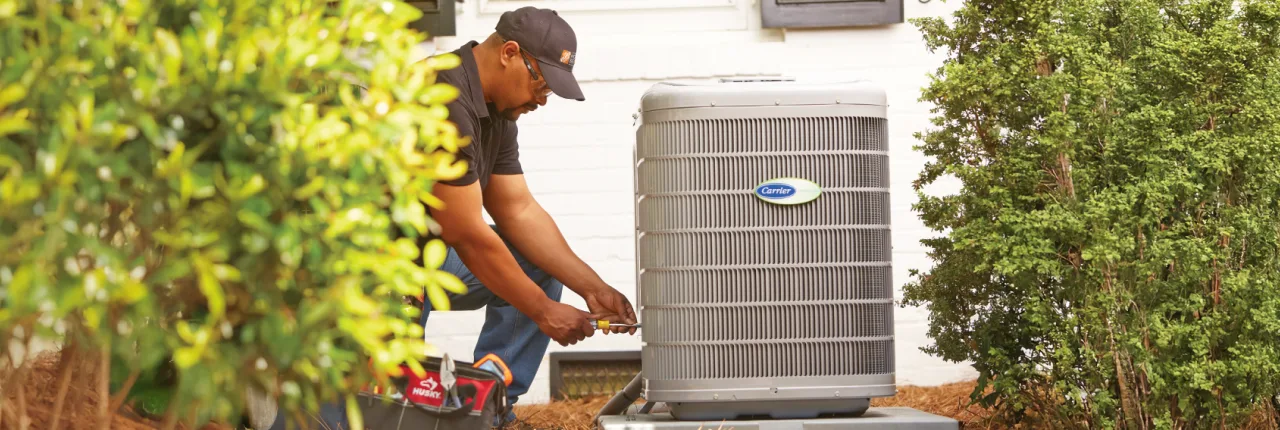

Partner with The Home Depot's local professionals for your HVAC repair.
Free Second Opinion
Get a free second opinion from The Home Depot on repairs with a written quote from a licensed contractor. Learn More
24/7 Emergency Calls
Emergency HVAC repairs are available 24/7. If your system breaks down, even at the worst possible time, you can depend on The Home Depot to be there for you.
No After Hours Fees On Emergency Calls
No additional after-hour fees on “No Heat / No-Cool” calls. Learn More
Diagnostic Fee Waived with Repairs
Your diagnostic fee will be waived on any repairs performed at the time of the diagnostic. Learn More
Free Second Opinion
Get a free second opinion from The Home Depot on repairs with a written quote from a licensed contractor. Learn More
24/7 Emergency Calls
Emergency HVAC repairs are available 24/7. If your system breaks down, even at the worst possible time, you can depend on The Home Depot to be there for you.
No After Hours Fees On Emergency Calls
No additional after-hour fees on “No Heat / No-Cool” calls. Learn More
Diagnostic Fee Waived with Repairs
Your diagnostic fee will be waived on any repairs performed at the time of the diagnostic. Learn More
How It Works
Request a Diagnostic
Start by requesting a repair diagnostic visit. We'll match you with an authorized local service provider to discuss your needs and set an appointment.
Get Recommendations and an Estimate
During the diagnostic visit, our service provider will diagnose any issues affecting your system, determine the best solution, and provide you with a quote.
We Repair or Replace Your Equipment
With your approval, we'll typically repair your system the same day, and waive the diagnostic fee. If you want to replace your system, we'll waive the diagnostic fee and send an installer at a later date to provide a quote.
Discover More HVAC Savings


What's Included
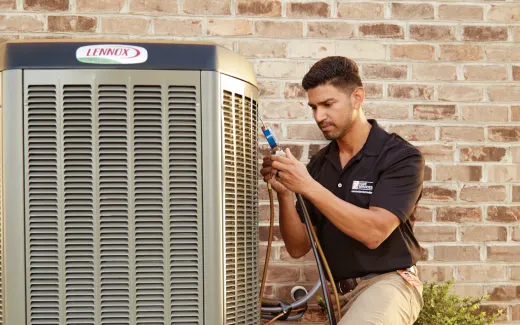
Your HVAC repair service will include:
- a thorough diagnostic of all mechanical and electronic components
- a detailed estimate that will be reviewed with you before moving forward
- no after hours fees on emergency calls
- diagnostic fee waived if repairs are performed at the time of the diagnostic
- a free second opinion from The Home Depot on repairs with a written quote from a licensed contractor
Frequently Asked Questions
Our Repair Service
Is there a fee for a repair service visit?
Yes. You should expect to pay a diagnostic fee to cover the cost of the technician's visit, the diagnosis of your air conditioner's problem, and a quote for the repair options. This fee is waived if repairs are completed the same day as the appointment. You will be advised of the issue along with recommended options to correct it, which may include a system replacement if your unit is old or significantly damaged. If you decide to replace the system, the diagnostic fee will be credited toward your replacement purchase.
How much will repairs to my heating and air conditioning system cost?
The price to repair your HVAC system depends on what is wrong with your system. We've outlined some common problems and other factors that could determine how much you pay for repairs in our HVAC Service Cost Guide.
Do you repair all brands and models of heating and cooling systems?
Yes. Our local professionals can handle all of your heating and cooling repair needs including service for your furnace, air conditioner, mini split, heat pump, air handler or boiler.
HVAC Repair 101
How can I protect my heating and cooling system from needing repairs?
While there's nothing you can do to guarantee your air conditioner or furnace will never need repairs, there are ways to take better care of your system. Changing out the air filters every 3-6 months, making sure nothing is obstructing or interfering with the outside unit, and keeping all vents unblocked in well-used rooms will help keep your air conditioning and heating system operating efficiently.
How can I find out if I am spending too much on heating and air conditioning for my home?
Start with your utility company; they can help a great deal. Comparing previous bills isn't always a good measure, as the weather is never exactly the same month to month. Instead, if you take your energy bill and divide it by the square footage of livable space in your home, don't count areas like unfinished garages or basements — you can calculate how much you are spending to heat or cool each square foot of your home. Your energy provider can tell you what the average cost per square foot is in your region for that same period of time so you can compare apples to apples.
What are some signs that my heating or air conditioning system may need repairs?
Sometimes a heating and air conditioning system just needs to be repaired rather than completely replaced. You may need air conditioning repair services if there is leaking around the outside unit, the air coming into the house isn't hot or cool enough, the unit is short-cycling or constantly turning on and off, using the system is consistently resulting in higher-than-normal energy bills, or if there is excessive noise during startup and operation.
My air conditioning system is over 10 years old and runs constantly. Can it be repaired?
Even if your air conditioning unit is still working, depending on the type of system in your home today, you could recoup your investment in a new system in as little as three years. However, that doesn't mean that your system needs to be replaced. Furnaces, air conditioners, and other heating and cooling systems have made tremendous gains in efficiency over the past five years, so if you have an older unit, it is worth taking a look at whether or not a repair is the best investment.
What is the most common HVAC problem?
The most common issue in HVAC systems is a dirty air filter. Replacing air filters regularly may be easy enough, but it's just as easy to overlook or forget. With time, air filters can collect enough dust and debris to clog the filter, significantly reducing airflow and increasing the strain on your system. A dirty air filter can reduce indoor air quality, increase your energy bills, and reduce the lifespan of your system.
What is the most common part to fail on HVAC?
The most common point of failure in an HVAC system is the capacitor. The capacitor is a device that stores energy for a short time, distributing that power to other system components as necessary. It helps start components like the motor or fan and keeps them operating smoothly.
What is the $5000 rule for HVAC?
The "$5000 rule" is a simple guideline for determining whether you should repair or replace your HVAC system when your system is having issues. All you need to do is take the cost of the repair and multiply it by the system's age. If the result is less than $5000, it's probably best to go forward with the repair. If the result is more than $5000, you should probably replace your system instead.
View more Home Depot licensing information
Home Depot Service Provider Licensing and/or Registration Information
Home Depot local Service Providers are background checked, insured, licensed and/or registered. License or registration numbers held by or on behalf of Home Depot U.S.A., Inc. are available at homedepot.com/licensenumbers or at the Special Services Desk in The Home Depot store. State specific licensing information includes: AL 16036; AK 25084; AZ ROC252435, ROC092581; CA 602331; CT HIC.533772; DC 420214000109, DRM300281; DE HM-0000772; FL CRC046858, CGC1514813, CAC1813767, CAC1818831; GA GCCO005540, GAREGCN208589; HI CT-22120; ID RCE-19683, 022877; KY HM05813; LA 557308, 43960, 883162; MD 85434, 42144, 76141; MA 112785; MI 2101089942, 2102119069; MN BC147263, MB732457; MS 2222-MC; NV 38686, 82440; NJ 13VH09277500; NM 86302; OH 46992; OR 95843; The Home Depot U.S.A., Inc. is a Registered General Contractor in Rhode Island and its Registration Number is 9480 and other state specific licenses are 00008422; SC GLG.110120, M-104779; TX TACLB00014980C, TACLA00001574C; UT 286936-5501; VA 2705-068841; WA HOMED088RH; WI 1046796 and WV WV036104.
Helpful Resources
When to Replace Your HVAC System
Learn when it's better to repair your HVAC system and when it's better to replace your system entirely.
Choosing HVAC Service Providers
Learn how to pick the best HVAC Installer for your project.
HVAC Repair
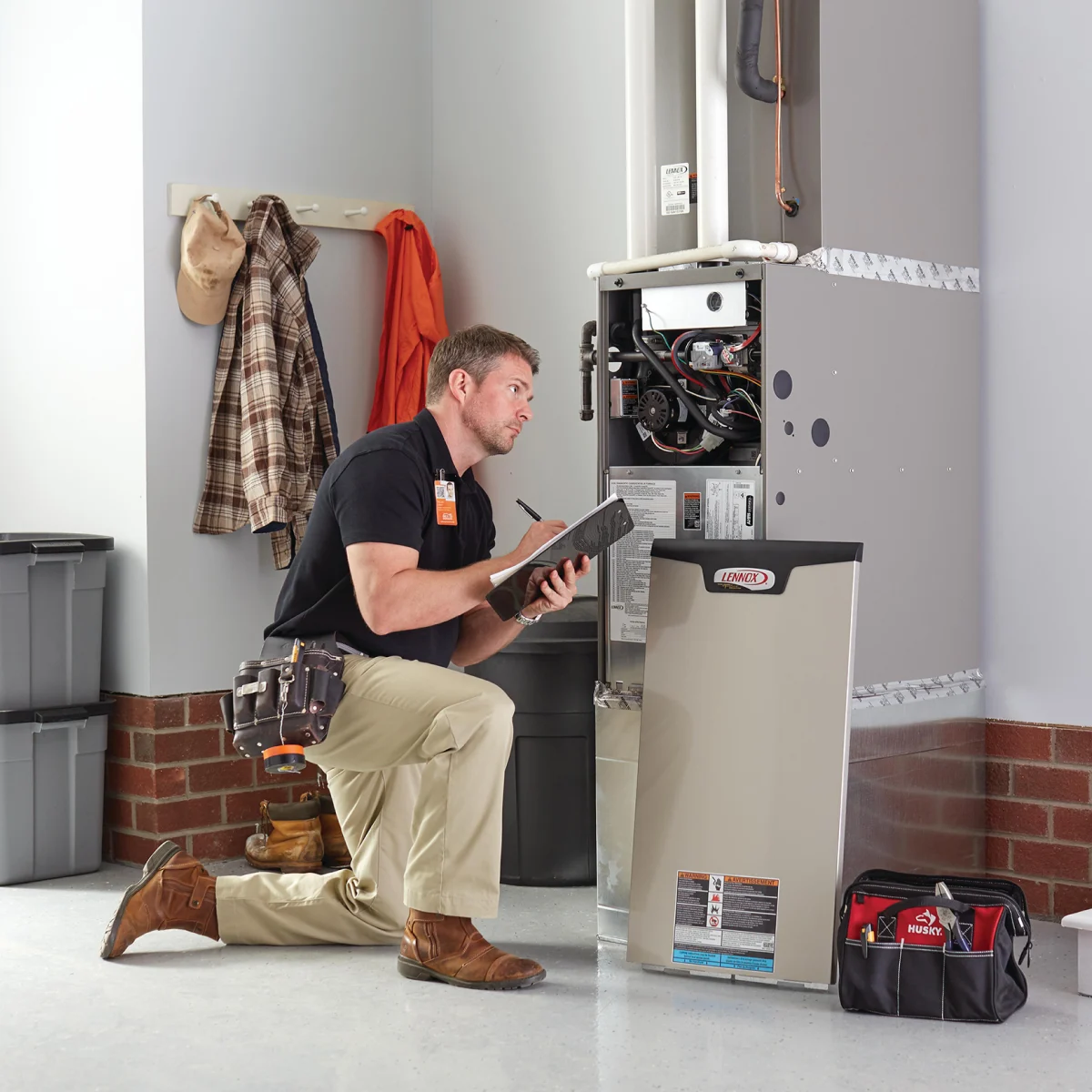
When your heating and cooling system stops working, you need the help of a reliable, experienced, local service professional that can diagnose the problem and repair your air conditioner or furnace at a fair price. You can count on The Home Depot's licensed and insured heating and cooling professionals for all your heaters, air conditioning units, and any ventilation needs.
If you need a furnace repaired or an air conditioner serviced, we'll send a local technician out to diagnose the specific problem and recommend solutions for you and your family. There will be a diagnostic fee for the visit, and any specific repairs will be an additional charge. If replacing your system is the best solution, the fee for the diagnosis will be credited toward the purchase and install of a new system.
AC Repair
In the heat of the summer, there's nothing worse than when your air conditioner goes out unexpectedly. When you begin looking for cooling system professionals to perform a diagnostic and attempt to repair your air conditioning unit, look no further than The Home Depot.
When you call or sign up for a heating and cooling system repair, you can expedite the service process by having answers ready to some of the following questions:
- Is your air conditioner currently working?
- How long have you experienced the current problem?
- When was the last time your air conditioner was serviced?
- Does your air conditioner have a lengthy repair history?
You can trust our licensed and insured service professionals to repair your heating or air conditioning unit in a timely, professional fashion. Because our professionals service all major brands and models, you can also feel confident that the repair services you're receiving are backed by The Home Depot.
Furnace Repair
Just as important as keeping your home cool in the summer, a properly working furnace or heat pump is critical during the cold winter months. When it comes to heating repair, all the same principles apply.
Heating repair services are a commonplace for our licensed and insured professionals who have performed countless furnace repairs. The Home Depot's service professionals can repair a variety of heating systems including furnaces, heat pumps, and boilers.
Emergency HVAC Repair Services
Did your unit stop working unexpectedly? Call The Home Depot today to get your heating and air conditioning system repaired quickly from our local, licensed and insured professionals.
Related Services
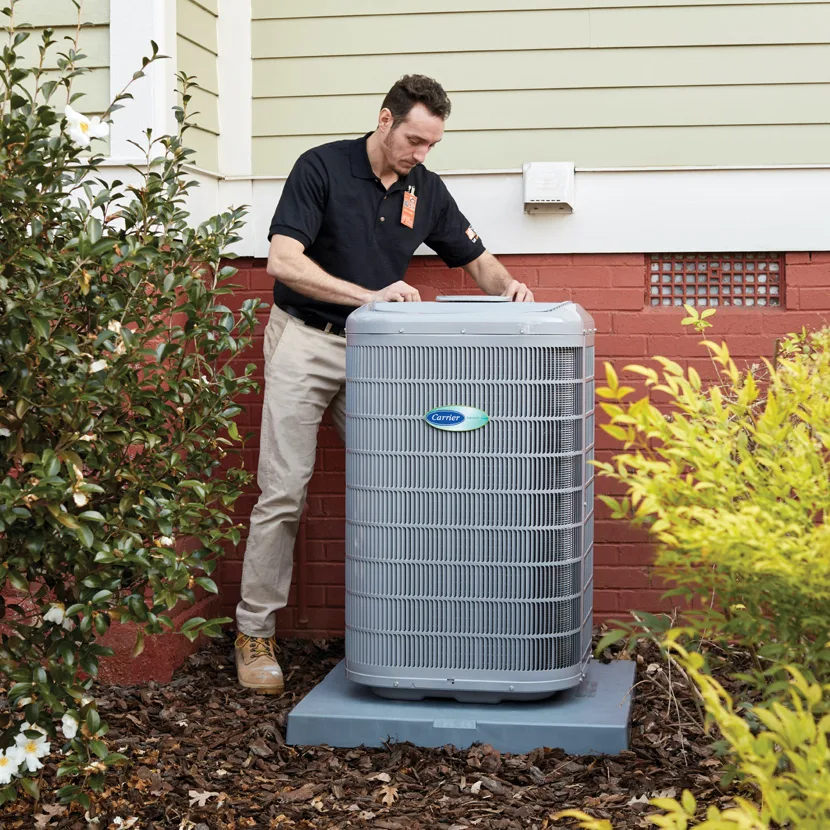
Seasonal tune-ups of your heating and cooling system can help identify potential issues, increase energy efficiency, and extend the life of your system. Sign up for one of our maintenance plans to enjoy the convenience of pre-scheduled system tune-ups and long-term savings. Our licensed technicians are trained to service all brands and types of equipment to keep your system performing at its best.
During a maintenance appointment, we will:
- Check overall system performance
- Inspect system components for defects, wear or potential issues
- Tighten, adjust, flush, lubricate, and calibrate accessible components
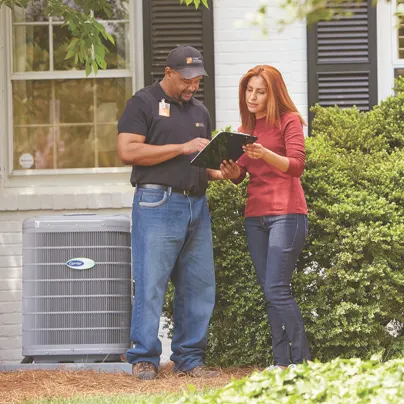
The Home Depot can help you choose the right heating and cooling system for your home and budget. Our licensed local professionals make the process of installing or replacing your system easy and convenient.
- Start with a free in-home consultation - Choose between industry leading brands - Rest assured with a 1-year warranty on all installations
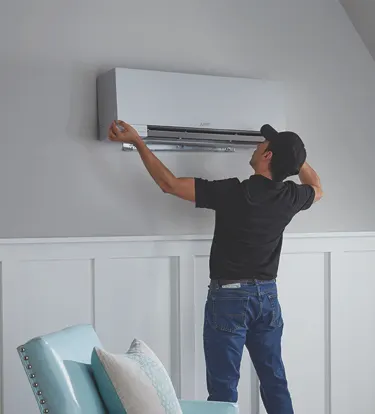
Ductless mini split heating and cooling systems provide a highly flexible and energy efficient way to regulate the temperature of your home. These quiet, compact units can fit almost anywhere and don't require access to ducts or windows. They can be easily installed by our licensed service professionals, ensuring your comfort year round.
Advantages of a ductless mini split systems include:
- Room by room comfort - Easily installable in almost any room - Maximum energy efficiency