Selecting Interior Paint
What types of interior paints are available?
There are two common types of paints that are available for interior projects: smooth and durable oil-based paints and lower-VOC latex paints. Latex paints are used in most residential settings as they dry faster and are easier to clean up. Oil-based paints are harder, making them a good option for trims, floors and furnishings. In addition, there are 5 basic finish options that identify the sheen and hardness of paints. Matte finishes have the least sheen. They are great for hiding imperfections in walls and ceilings, but are the hardest to clean. Eggshell and satin finishes provide more reflection and a smoother surface for easier cleaning, while semi- and high-gloss paints provide the highest amount of sheen and durability.
How do I choose the right interior paint color?
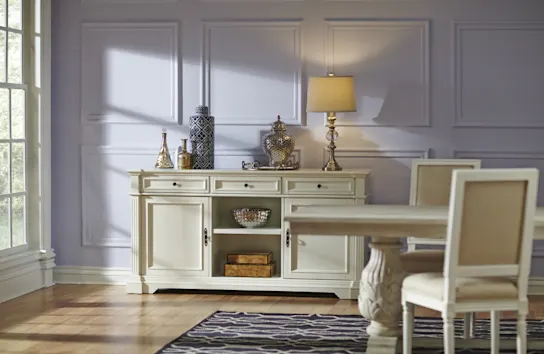
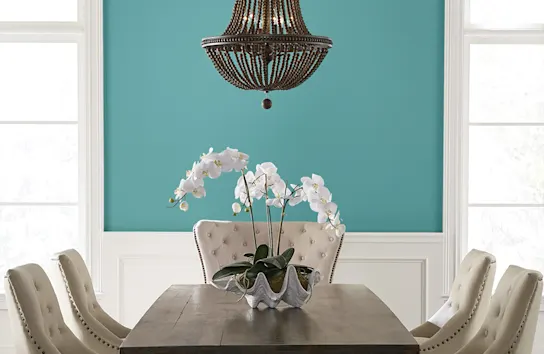
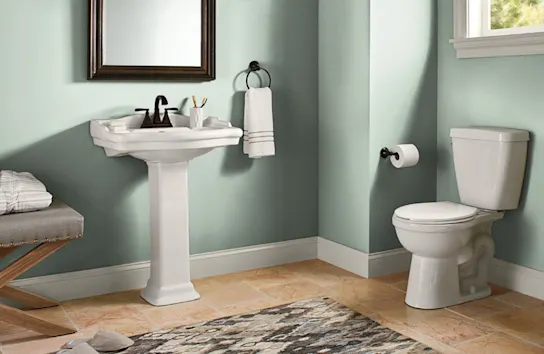
Paint colors can help define the character of your home, but choosing the right shades may seem overwhelming. To get started, collect paint chips from your local Home Depot store and try them out on your walls at home. After you've narrowed things down, get a paint sample mixed so you can test your colors on a larger scale. Your painter can also make recommendations and help you nail down the perfect colors.
What do I need to know about lead abatement?
If your home was built before 1978, there is a good chance that lead paint was used in its construction. Scraping, sanding, or removing old paint can release toxic lead dust, which can cause serious illness in children and pregnant women. Special handling is required when working with lead-based paints. If lead paint is present in your home, you will need to hire a lead-certified painting contractor or lead abatement contractor. Before getting started with your interior painting project, consult your local building authority or visit
www.epa.gov for more information.
Our Interior Painting Services
How much will it cost to paint my home's interior?
There are several factors that will affect the cost of painting the interior of your home. These include the size of the project, the condition of your walls, how much prep work is needed, and the type of paint used. The cost of labor and supplies ranges from $2–$5 per square foot. Additional costs may apply if you have tall ceilings or ornate trim. Your painter can help determine the best type of paints and approach for your project.
How long will it take to paint my home's interior?
Preparing and painting the interior walls of a room can usually be done in a few hours. However, drying time between coats can extend the job to a few days. If trim or ceilings are added to the job, you should account for a few hours for each coat. Projects that are more extensive or customized, involve different colors or types of paint or require extra prep work will take more time to complete.
Why should I hire a pro to paint my home's interior?
Professional painters are trained and equipped to properly prep your walls, ceilings and trim for paint. They know how to apply products quickly, neatly and evenly to ensure you get a lasting finish that fits your design goals. Painters can also mask and protect other surfaces very effectively to prevent damage to furnishings, fixtures and trim.
How do I prep my home for interior painting?
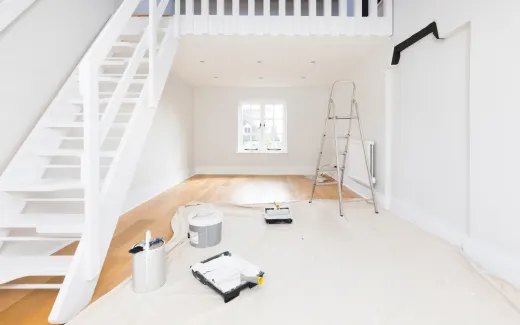
Before your painter arrives, remove furniture, belongings, wall hangings and window treatments to make it easier for them to get right to work. Once they arrive, your pro will start preparing the inside of your house. Depending on the condition of your walls and the scope of your project, prep work could range from a simple dusting and washing to spackling, sanding and minor drywall repairs. Your pro may also fill nail holes, caulk cracks around trim, scrape loose paint, skim coat uneven surfaces, mask trim or other surfaces, and apply a coat or two of primer that is suited to both existing and new paints.
How many rooms should I paint?
Before speaking to a pro, consider how many rooms you would like to paint. Ask yourself if your project will be limited to the walls of the rooms or if ceilings and trim need to be refreshed as well. Since standard equipment is used to prep a work site and apply most finishes, it's usually more economical for you to have multiple rooms painted at once.
Will painters move my furniture?
Most interior painters will move or cover your furniture, but there may be an additional cost for the service. If it is something you'll need, discuss it with your painter before they provide an estimate. This will let your pro know what to expect when they arrive at your home, and you won't be surprised by any extra labor charges.
Can I stay in my home while it's being painted?
In most cases, you'll be able to remain in your home during a painting project. However, if you are painting multiple rooms or your entire home, it may make sense to stay elsewhere for the duration of the job. If your project involves lead abatement or anyone in your family is sensitive to dust or fumes, you should consider leaving the premises until the job is complete.
What's included in Home Depot's interior painting service?
No matter how many rooms you need painted, your interior painter will bring the necessary tools, paints and materials to complete your project.

 About Pro Referral
  Why Pro Referral
  FAQs
FAQs  Learn More